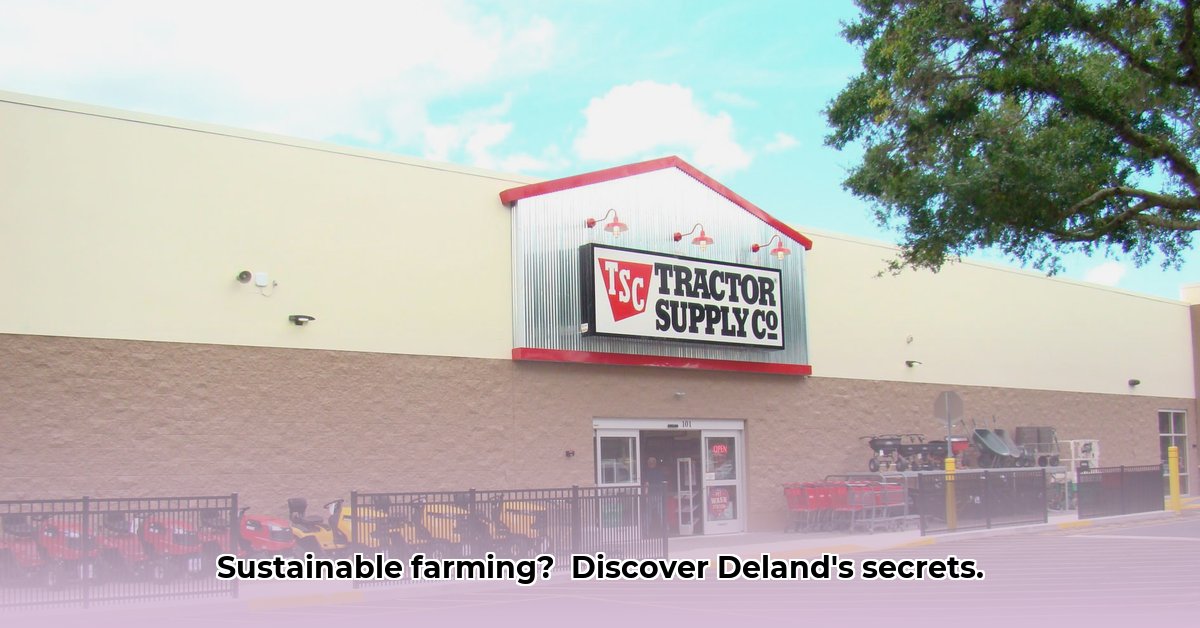
Deland Tractor Supply (DTS) presents a unique opportunity to bolster sustainable agriculture in the Deland, Florida area. This article analyzes DTS's current contribution, identifies shortcomings, and proposes actionable steps for improvement, considering potential risks and mitigation strategies. For more information on Deland Tractor Supply, visit their website.
Deland Tractor Supply's Potential for Sustainable Agriculture
DTS currently offers numerous products relevant to sustainable agriculture, including livestock feed, fencing, gardening supplies, and irrigation systems. This existing inventory forms a strong foundation upon which to build a more comprehensive offering. Its convenient location provides unparalleled access to local farmers and gardeners, establishing DTS as a potential central hub for sustainable resources. The potential exists for DTS to actively promote organic farming methods and facilitate a transition to more eco-friendly practices. However, realizing this potential demands proactive efforts from DTS and the wider community.
Where Deland Tractor Supply Needs Improvement
Significant gaps exist in DTS's current sustainability efforts. Transparency concerning product sourcing is notably lacking. Information regarding the origin and production methods of seeds and fertilizers is absent, hindering informed consumer choices. Equally concerning is the lack of clarity regarding waste management practices. Details on waste reduction initiatives, packaging disposal, and overall environmental footprint are necessary for a complete assessment of DTS's impact. Finally, community engagement remains limited, hindering potential collaborations with local farms and agricultural organizations.
A Roadmap to Sustainable Success: Actionable Steps
Achieving sustainable agriculture requires collaborative action across multiple stakeholders.
1. For Deland Tractor Supply Management:
Short-Term (0-1 year): Conduct a thorough environmental audit encompassing the entire supply chain. Analyze sourcing practices, waste generation and disposal, and energy consumption. Publish a transparent sustainability report detailing findings and progress.
Long-Term (3-5 years): Develop a comprehensive sustainability plan with measurable goals, such as reducing plastic waste by 25%, expanding the organic product range by 50%, exploring sustainable packaging alternatives, and aiming for carbon neutrality within five years. Partner with a reputable third-party organization for verification.
2. For Local Farmers and Gardeners:
Short-Term (0-1 year): Directly communicate needs to DTS. Provide feedback on product gaps and desired support services. Active engagement empowers retailers to adapt their offerings.
Long-Term (3-5 years): Collaborate with DTS on workshops and educational programs focused on sustainable farming techniques. Knowledge sharing strengthens the community's capacity for sustainability.
3. For Consumers:
Short-Term (0-1 year): Support environmentally responsible businesses by prioritizing sustainably-sourced products. Purchasing choices send strong market signals.
Long-Term (3-5 years): Advocate for sustainable agriculture by engaging with local representatives, participating in community events, and voicing opinions on social media platforms.
4. For Local Government:
Short-Term (0-1 year): Facilitate discussions between DTS, local farmers, and relevant organizations to develop strategies for promoting sustainable agriculture.
Long-Term (3-5 years): Implement incentives for sustainable farming, including tax breaks for eco-friendly practices, grants for sustainable irrigation, and educational programs.
Understanding the Risks: A Realistic Assessment
Several risks hinder the transition to sustainable agriculture:
| Risk Factor | Likelihood | Impact | Mitigation Strategy |
|---|---|---|---|
| Difficulty sourcing sustainable products | Moderate | High | Establish partnerships with certified sustainable suppliers; enhance supply chain transparency. |
| Low consumer awareness of eco-friendly options | High | Moderate | Targeted educational campaigns and in-store promotions. |
| Competition from large retailers with extensive sustainable product lines | Moderate | Moderate | Focus on building local relationships and offering specialized products. |
| Failure to meet evolving consumer demands for sustainable solutions | High | High | Continuous market research and rapid adaptation to changing needs. |
Building a Sustainable Future in Deland
Deland Tractor Supply holds considerable potential to transform the local agricultural landscape. By embracing transparency, fostering community partnerships, and investing in sustainable practices, DTS can become a leader in promoting environmentally conscious agriculture. The potential for positive change exists; successful implementation requires concerted, collaborative effort. The path forward requires a commitment to transparency, effective communication, and a shared vision for a sustainable future in Deland. Are the benefits of this collective effort worth the investment? Undoubtedly.